You Don't Need Another RevOps Tool, You Need to Use the One You're Paying For
Companies keep buying lead scoring, enrichment, and reporting tools to patch problems their CRM already solves natively. The real issue is a broken data model, not a missing tool, and fixing it is cheaper and more durable than the alternative.
You don't need another RevOps tool. You need to actually use the one you're paying for.
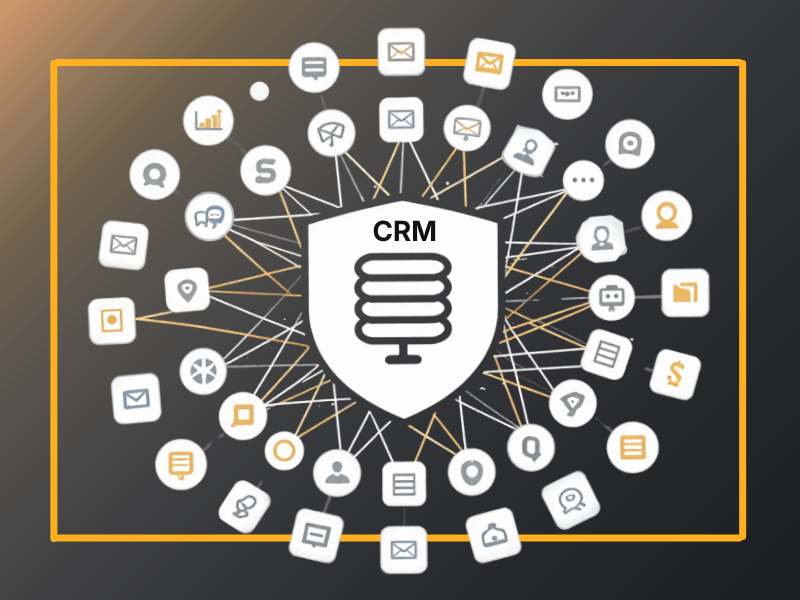
I get pulled into stacks with six to eight point solutions bolted onto HubSpot or Salesforce, each one solving a problem the CRM already solves natively if someone had bothered to configure it. A lead scoring tool because scoring "doesn't work" in the native platform. An enrichment tool because nobody ever built a data dictionary. A reporting tool because lifecycle stages were set up wrong three years ago and nobody's gone back to fix them.
HubSpot and Salesforce have spent the last two years shipping serious native automation and data quality features. Predictive scoring, deduplication, workflow branching, custom object relationships, all of it sitting there unused while companies write checks for tools that do the same job worse and further fragment the data.
The Pattern I See in Almost Every Audit
When I walk into a new engagement, the stack usually tells the same story before I've even opened the CRM. There's a scoring tool, an enrichment tool, a sequencing tool, sometimes a separate reporting layer sitting on top of all of it. Each one was purchased to solve a specific pain point, and each one is a symptom of the same root cause: nobody fixed the data model.
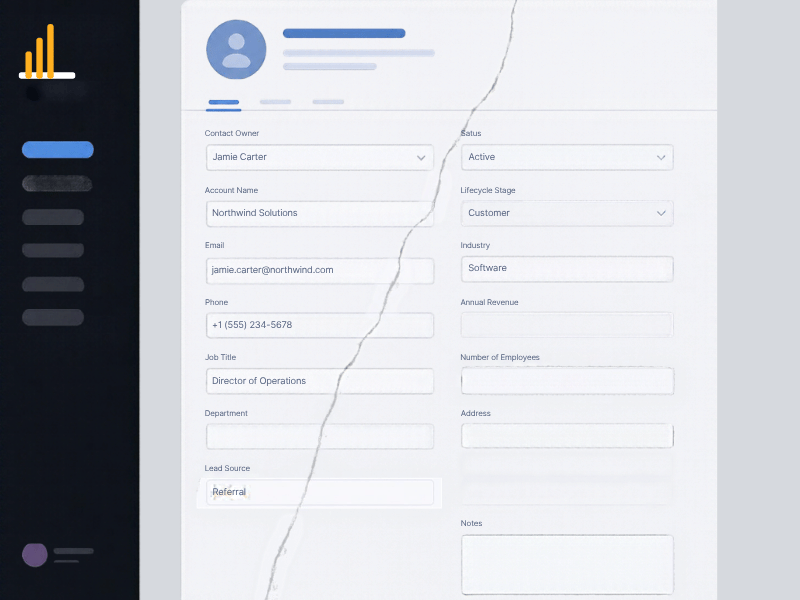
I worked with a manufacturing distributor last year running HubSpot Sales Pro alongside a $1,400/month enrichment tool and a separate lead scoring add-on. Total spend on point solutions: roughly $2,200 a month. When I looked at their HubSpot instance, they had never defined a data dictionary. Company size, industry, and deal stage fields were free text, populated inconsistently by six different reps over four years. Their native lead scoring "didn't work" because the underlying properties feeding it were garbage. The enrichment tool wasn't fixing a HubSpot limitation, it was compensating for a data entry problem nobody addressed at the source.
We rebuilt the property structure, standardized dropdowns, and turned on native HubSpot scoring with properly weighted criteria. They canceled the scoring add-on within 60 days. The enrichment tool stayed, but its output actually mapped to something usable instead of populating fields nobody trusted.
Why Buying a Tool Feels Easier Than Fixing the Model
There's a reason this pattern repeats across almost every SMB I work with. Buying a tool is a decision you make once, in a meeting, with a vendor doing the selling for you. Fixing a data model means someone has to sit down, map every property, decide on a lifecycle stage definition everyone will actually follow, and then enforce it through validation rules and required fields. That's unglamorous work. Nobody puts "rebuilt the contact property schema" on a highlight reel.
It's also an org problem, not just a technical one. A new tool gets a line item and a champion. Fixing the data model requires sales, marketing, and sometimes finance to agree on shared definitions, which is a harder conversation than swiping a credit card. I've sat in plenty of rooms where the VP Sales would rather approve a $15K annual contract than sit through two meetings aligning on what "Marketing Qualified Lead" actually means in their pipeline.
The result is stack sprawl that looks like sophistication but functions like duct tape. Each new tool adds another sync point, another place data can drift out of alignment, another login someone forgets to cancel when they leave the company.
What Native Features Actually Cover Now
Most people evaluating their stack are working off a mental model of HubSpot or Salesforce from three or four years ago. That's the real problem. Native predictive lead scoring in HubSpot now uses machine learning against your closed-won and closed-lost data, no separate tool required, if your deal stages and source data are clean enough to train it on. Salesforce's Einstein features, even on mid-tier licenses, now handle a chunk of what companies used to buy standalone lead scoring or forecasting tools for.
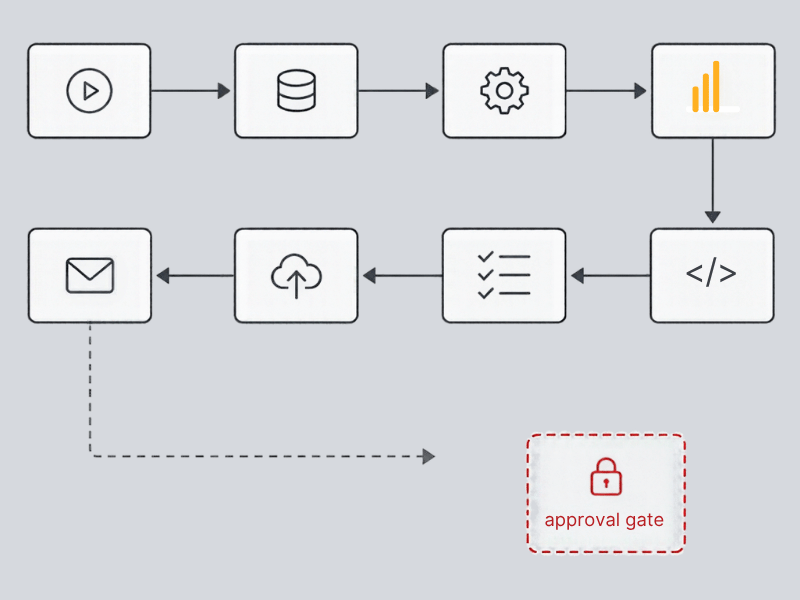
Workflow automation has gotten more flexible too. Branching logic, custom object triggers, and multi-step approval processes that used to require a workaround tool are now handled natively in both platforms. I've replaced a client's dedicated approval routing tool with three HubSpot workflows and a custom property. Total build time: about four hours. Their previous tool cost $600 a month and required a separate login for finance to approve deal discounts.
The gap almost never lives in the platform anymore. It lives in the data feeding it and the governance nobody set up to keep that data clean.
The Question to Ask Before Your Next Purchase
Before signing off on another tool, ask a blunt question: is this solving a problem, or covering for one we never fixed? If the honest answer is the second one, buying the tool doesn't solve anything. It just adds a more expensive layer of duct tape and one more system to keep in sync when your data model finally breaks under its own weight.
This isn't an argument against ever buying specialized tools. Some problems genuinely need a dedicated solution, deep intent data or complex territory management being reasonable examples. But that decision should come after you've actually tested what your CRM can already do, not instead of testing it.
If you're not sure what's sitting unused in your CRM right now, that's usually the first place worth looking before the next renewal comes up. I've done enough of these audits to know the answer is rarely "nothing." It's almost always a feature someone turned on once, watched fail because the data behind it was bad, and quietly gave up on.
Take stock of your stack. Figure out which tools are solving real problems and which ones are covering for a data model nobody's fixed. If you want a second set of eyes on that list, that's the kind of work LangLine Consulting does every week. Reach out and we'll walk through your stack together.