The HubSpot Cleanup I Do on Almost Every First Call
Most CRM problems trace back to the same four things: duplicate properties nobody cleaned up, workflows still firing on outdated logic, deal stages that quietly turn into graveyards, and lead scoring nobody trusts anymore. This post walks through what actually shows up in a first-call HubSpot audit and why fixing it matters more than it looks like it should.
I've opened up a lot of HubSpot portals at this point. Different industries, different team sizes, different budgets. And almost every single one has the same four problems.
None of this is a knock on the people running these systems. Nobody sets out to build a messy CRM. It happens one workaround at a time, over years, usually because whoever set it up left and nobody had the bandwidth to go back and clean it up. Here's what I find, in the order I usually find it.
Duplicate and dead properties
Somebody created a custom property in 2022 for a campaign that ran for six weeks. It's still there. So is the one from the sales rep who wanted his own version of "Lead Status" because he didn't like the default one. Multiply that by a few years and you end up with a properties list nobody can navigate, and worse, nobody trusts, because half of them are stale and nobody's sure which ones are actually live.
The fix isn't complicated. It's just tedious, and it's the kind of task that never makes it to the top of anyone's list until someone from outside forces the issue.
Workflows that fire into nothing
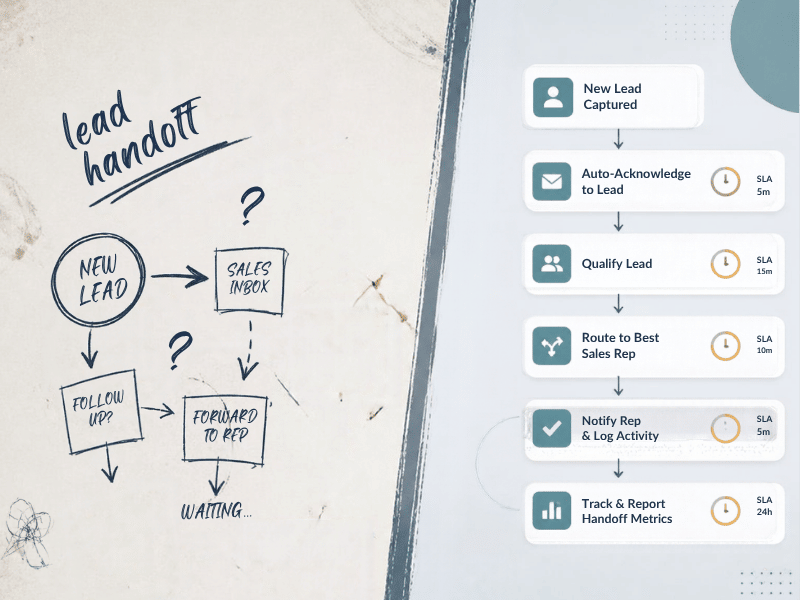
This is the one that surprises people the most. I'll find automation that's technically running, sending emails, updating fields, notifying reps, but built around a sales process that changed two reorgs ago. The workflow doesn't know that. It just keeps firing based on old logic, quietly working against whatever the team is actually trying to do now.
Nobody turned it off because nobody remembers building it, and turning off automation feels riskier than leaving it alone. Usually it's the opposite. Dead workflows create more mess than they prevent.
Deal stages nobody updates
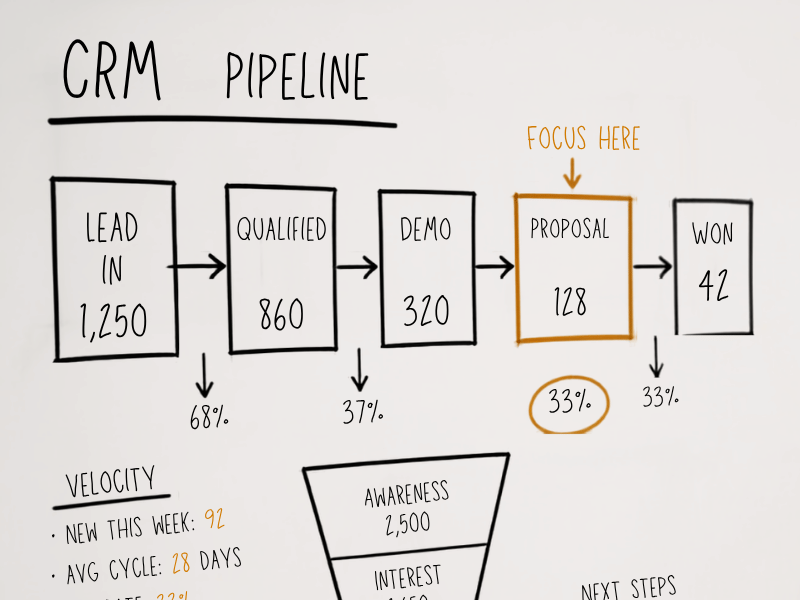
Every pipeline I've seen has at least one stage that's basically a graveyard. Deals get parked there and nobody moves them, closes them, or deletes them, because there's no clear owner or process for the "this probably isn't happening" conversation. That stage becomes a black hole, and it quietly corrupts every forecast pulled from that pipeline.
This is usually a process problem wearing a CRM costume. The system isn't broken. Nobody agreed on what "stalled" actually means or whose job it is to clean it up.
Lead scoring nobody trusts
If I ask a sales team whether they trust the lead score in their CRM, I get a lot of shrugs. Somebody built a scoring model at some point, based on assumptions that made sense at the time, and it's never been revisited since. Reps have quietly stopped looking at it and built their own gut-check version instead. That's a sign the model isn't doing its job, whether or not anyone's said so out loud.
Why this matters more than it looks like it does
None of these four things are dramatic on their own. But together, they're usually the real reason a forecast falls apart in a leadership meeting, or a rep can't tell you why a deal is stuck, or marketing and sales are arguing about numbers that should agree and don't.
Fixing this stuff isn't glamorous work. It's also not a six-month engagement with a big deck at the end. Most of the time it's a few focused weeks of going through the system property by property, workflow by workflow, and rebuilding the parts that are actually load-bearing. That's usually where I start with a new client, because until the CRM tells the truth, nothing built on top of it will either.